SA Canegrowers and the South African Farmers Development Association (SAFDA) highlighted that such measures could lead to the collapse of the sector, jeopardising the livelihoods of 25 000 cane farmers and plunging countless families into destitution. Picture: Leading agricultural associations have united to voice their deep alarm over the potential for increased sugar tax rates or lowered thresholds in a warning for the future of South Africa’s sugarcane industry. In a joint statement issued yesterday, SA Canegrowers and the South African Farmers Development Association (SAFDA) highlighted that such measures could lead to the collapse of the sector, jeopardising the livelihoods of 25 000 cane farmers and plunging countless families into destitution. This warning follows years of turmoil faced by the industry since the introduction of the Health Promotion Levy (HPL) in April 2018, which has already prompted significant job losses and economic strain. The associations cited an alarming multi-billion rand revenue loss, which has already led to the closure of two mills in KwaZulu-Natal. A study commissioned by the National Economic Development and Labour Council (NEDLAC) revealed a loss of more than 13 500 jobs within the sugar industry by 2019. Concerns regarding the sugar tax were reiterated by SAFDA executive chairman Dr Siyabonga Madlala, and SA Canegrowers chairman Higgins Mdluli. They noted that although Finance Minister Enoch Godongwana had given the industry a two-year reprieve on tax increases last February to allow for necessary diversification and restructuring, it had become clear that this timeframe was insufficient. “We implore President Cyril Ramaphosa to either scrap the sugar tax entirely or extend the HPL moratorium until 2030,” they stated. The urgency of their plea was underscored by recent studies; researchers from BFAP — an independent agricultural consultancy — predicted that a decrease in the HPL threshold could cause the local demand for refined sugar to drop by 125 000 tons in 2023/2024 alone. Following this, an additional decline of 35 000 tons was expected the subsequent year, along with possible permanent job losses and an existential threat to local small-scale growers. As modernisation and diversification become both a necessity and a priority for the sector, the South African Sugar Association (SASA) has underscored a palpable need for patience, insisting that the master plan processes exploring diversification should be allowed to proceed uninterrupted. A representative stated, “More time is needed for diversification to become a reality.” SASA advocates for an extension of the sugar tax moratorium to 2030, as outlined in the strategically designed Sugarcane Value Chain Master Plan. Both organisations maintain that the sugar tax has failed to yield the intended public health benefits of reducing obesity and diabetes rates. They argue there is insufficient evidence supporting the efficacy of such levies worldwide. By continuing to impose this tax, the government risks irreparably harming an industry that plays a vital economic role in the rural landscapes of KwaZulu-Natal and Mpumalanga. “The industry cannot allow the destructive sugar tax to kill it,” Madlala and Mdluli warned. “It must be emphasized that proper policy alignment among departments is crucial to facilitate the Masterplan’s success.” Echoing their sentiments, Chris Engelbrecht, chairperson of the Association of Southern Africa Sugar Importers (ASASI), added, “It is clear that while the government profits from the HPL, the sugar industry is losing on every front—jobs, revenue, and livelihoods.” Engelbrecht further expressed concern that without significant policy reconsideration or relief, South Africa risked the collapse of one of its key agricultural sectors. As the curtain rises on a critical phase for the sugarcane industry, growers and stakeholders are left to grapple with the impending crisis. If policymakers heed the warnings and support the necessary funding and resource allocations, there remains a glimmer of hope for an industry in transition—one that aspires to embrace diversification without sacrificing the livelihoods of countless South Africans.
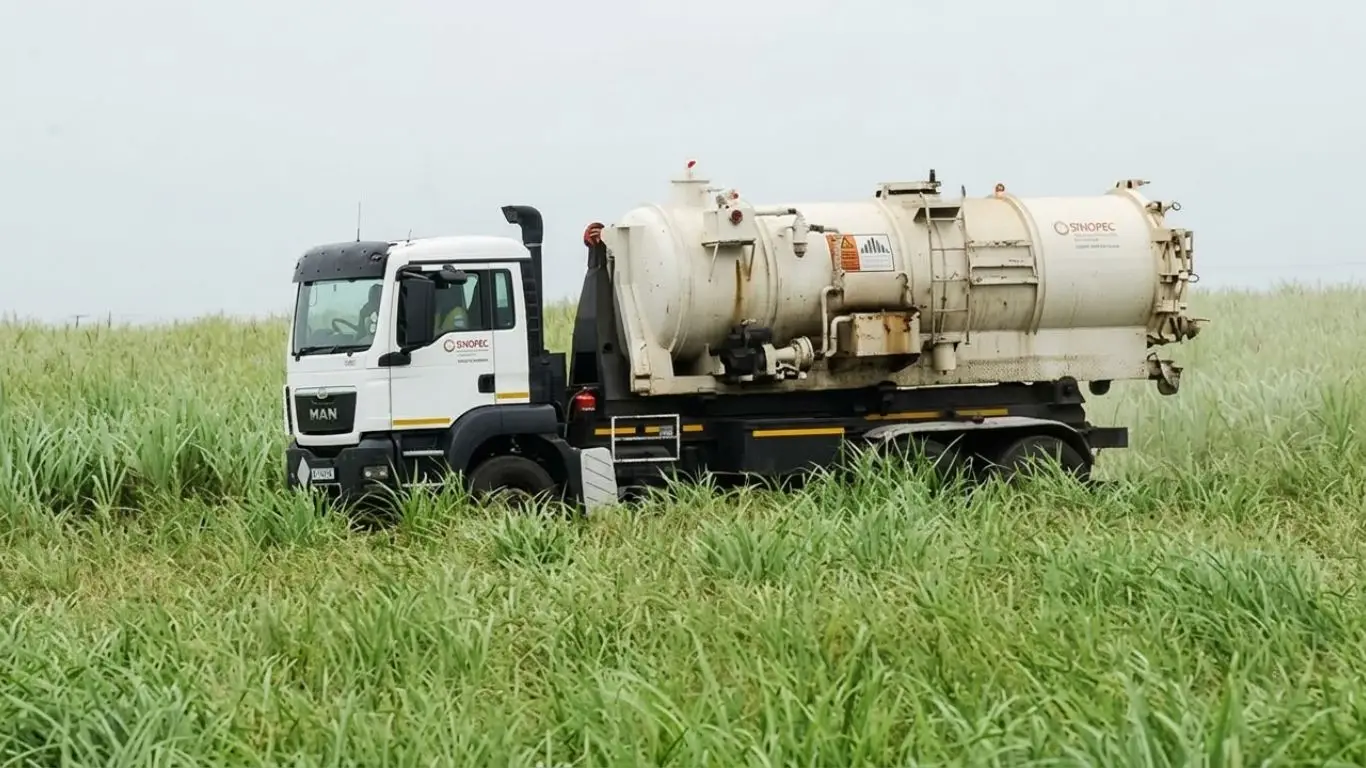
SA Canegrowers and the South African Farmers Development Association (SAFDA) highlighted that such measures could lead to the collapse of the sector, jeopardising the livelihoods of 25 000 cane farmers and plunging countless families into destitution. Picture:
Leading agricultural associations have united to voice their deep alarm over the potential for increased sugar tax rates or lowered thresholds in a warning for the future of South Africa’s sugarcane industry.
In a joint statement issued yesterday, SA Canegrowers and the South African Farmers Development Association (SAFDA) highlighted that such measures could lead to the collapse of the sector, jeopardising the livelihoods of 25 000 cane farmers and plunging countless families into destitution.
This warning follows years of turmoil faced by the industry since the introduction of the Health Promotion Levy (HPL) in April 2018, which has already prompted significant job losses and economic strain.
The associations cited an alarming multi-billion rand revenue loss, which has already led to the closure of two mills in KwaZulu-Natal. A study commissioned by the National Economic Development and Labour Council (NEDLAC) revealed a loss of more than 13 500 jobs within the sugar industry by 2019.
Concerns regarding the sugar tax were reiterated by SAFDA executive chairman Dr Siyabonga Madlala, and SA Canegrowers chairman Higgins Mdluli.
They noted that although Finance Minister Enoch Godongwana had given the industry a two-year reprieve on tax increases last February to allow for necessary diversification and restructuring, it had become clear that this timeframe was insufficient.
“We implore President Cyril Ramaphosa to either scrap the sugar tax entirely or extend the HPL moratorium until 2030,” they stated.
The urgency of their plea was underscored by recent studies; researchers from BFAP — an independent agricultural consultancy — predicted that a decrease in the HPL threshold could cause the local demand for refined sugar to drop by 125 000 tons in 2023/2024 alone.
Following this, an additional decline of 35 000 tons was expected the subsequent year, along with possible permanent job losses and an existential threat to local small-scale growers.
As modernisation and diversification become both a necessity and a priority for the sector, the South African Sugar Association (SASA) has underscored a palpable need for patience, insisting that the master plan processes exploring diversification should be allowed to proceed uninterrupted.
A representative stated, “More time is needed for diversification to become a reality.”
SASA advocates for an extension of the sugar tax moratorium to 2030, as outlined in the strategically designed Sugarcane Value Chain Master Plan.
Both organisations maintain that the sugar tax has failed to yield the intended public health benefits of reducing obesity and diabetes rates.
They argue there is insufficient evidence supporting the efficacy of such levies worldwide. By continuing to impose this tax, the government risks irreparably harming an industry that plays a vital economic role in the rural landscapes of KwaZulu-Natal and Mpumalanga.
“The industry cannot allow the destructive sugar tax to kill it,” Madlala and Mdluli warned. “It must be emphasized that proper policy alignment among departments is crucial to facilitate the Masterplan’s success.”
Echoing their sentiments, Chris Engelbrecht, chairperson of the Association of Southern Africa Sugar Importers (ASASI), added, “It is clear that while the government profits from the HPL, the sugar industry is losing on every front—jobs, revenue, and livelihoods.”
Engelbrecht further expressed concern that without significant policy reconsideration or relief, South Africa risked the collapse of one of its key agricultural sectors.
As the curtain rises on a critical phase for the sugarcane industry, growers and stakeholders are left to grapple with the impending crisis. If policymakers heed the warnings and support the necessary funding and resource allocations, there remains a glimmer of hope for an industry in transition—one that aspires to embrace diversification without sacrificing the livelihoods of countless South Africans.
To provide the best experiences, we use technologies like cookies to store and/or access device information. Consenting to these technologies will allow us to process data such as browsing behavior or unique IDs on this site. Not consenting or withdrawing consent, may adversely affect certain features and functions.
Functional
Always active
The technical storage or access is strictly necessary for the legitimate purpose of enabling the use of a specific service explicitly requested by the subscriber or user, or for the sole purpose of carrying out the transmission of a communication over an electronic communications network.
Preferences
The technical storage or access is necessary for the legitimate purpose of storing preferences that are not requested by the subscriber or user.
Statistics
The technical storage or access that is used exclusively for statistical purposes.The technical storage or access that is used exclusively for anonymous statistical purposes. Without a subpoena, voluntary compliance on the part of your Internet Service Provider, or additional records from a third party, information stored or retrieved for this purpose alone cannot usually be used to identify you.
Marketing
The technical storage or access is required to create user profiles to send advertising, or to track the user on a website or across several websites for similar marketing purposes.